
Radio vs Podcast Advertising in Kenya
Where Should You Spend in 2026?
Device Reality & Listening Habits
For decades, audio advertising in Kenya followed a single playbook: buy FM airtime, reach mass audiences across counties, and rely on post-buy schedules for verification. Today, digital audio and on-demand podcasts are shifting how listeners consume content, forcing brands to evaluate where their media budgets actually earn attention.
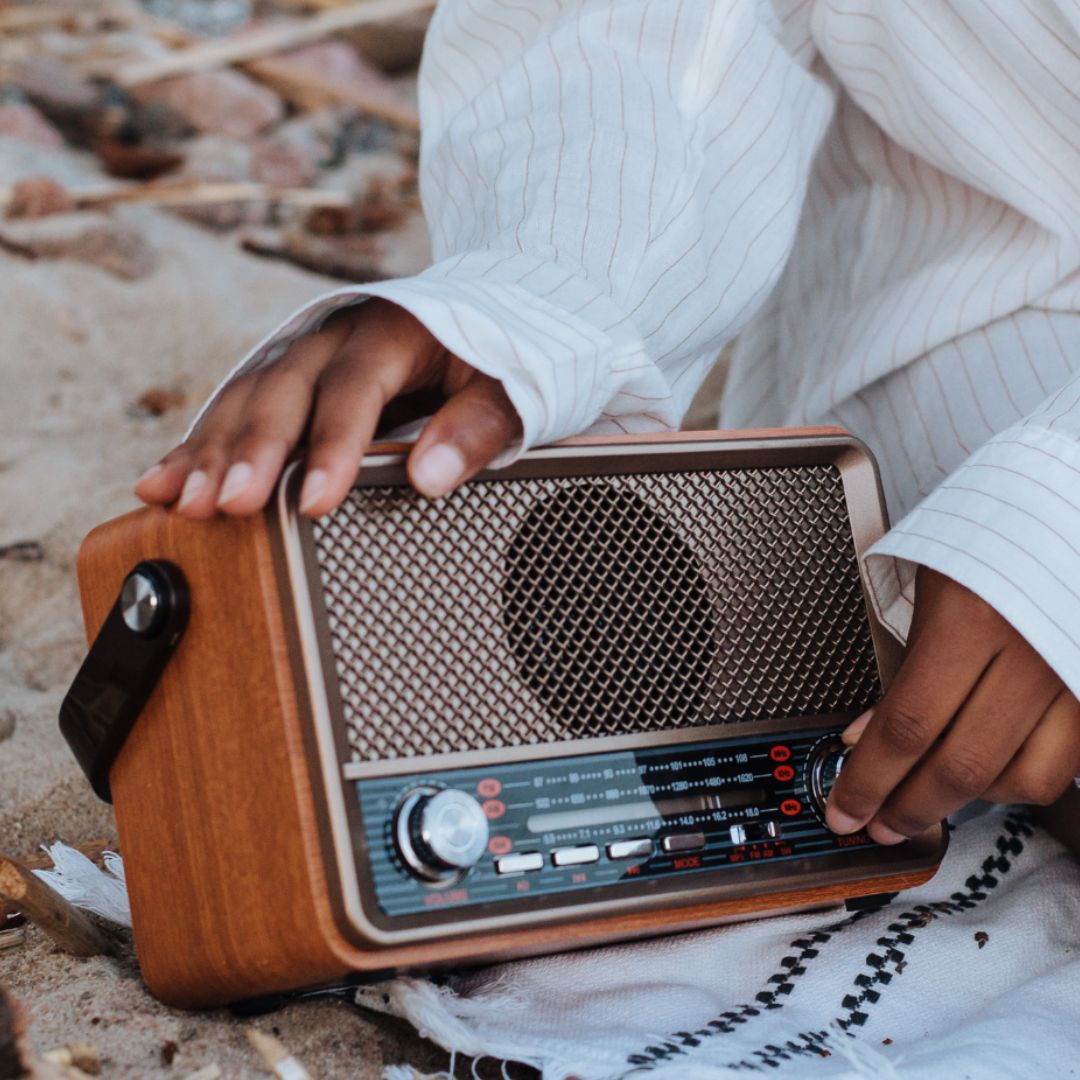
Radio doesn’t require a listener to search, select, or press play. It seamlessly integrates into daily routines:
- Morning commutes in matatus
- Background audio on shop floors and office spaces
- Evening home routines
This routine gives brands three vital campaign assets: Frequency, Habit, and Broad Recall. For FMCG brands or regional campaigns requiring broad awareness across regions like Nakuru, Kisumu, or Eldoret, radio remains a powerful driver of reach.
Run the Free Biashara Diagnostic
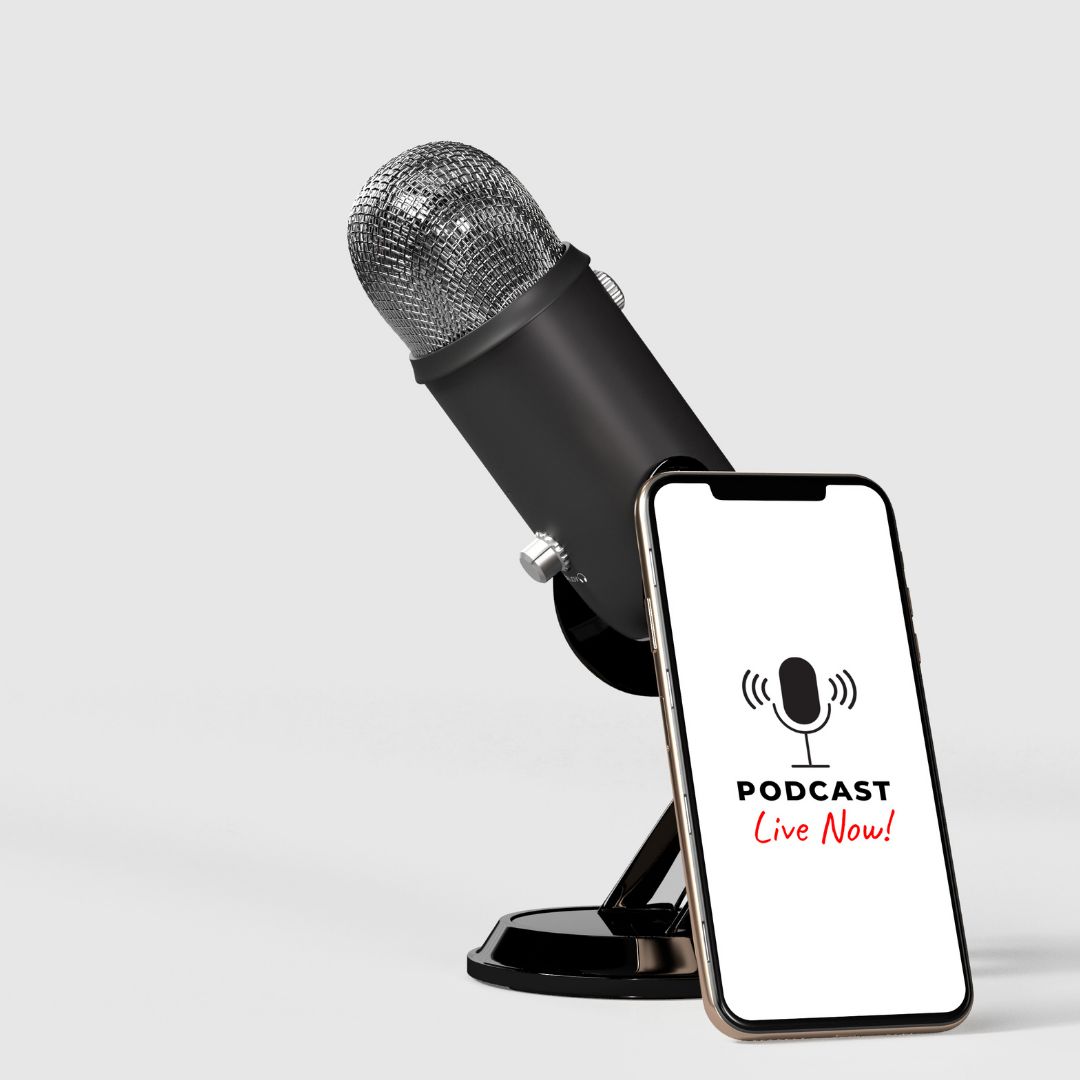
While radio broadcasts broadly to an entire region, podcasting targets specific audience interests. Radio listeners often absorb ads passively while multi-tasking. Podcast listeners, by contrast, explicitly select the episode, topic, and host.
The Podcast Reality in East Africa
Podcasting delivers intent, but media buyers must weigh its current commercial constraints in East Africa:
- Audience Scale: Most local shows count listeners in thousands rather than millions.
- Discovery & Measurement: Download metrics can vary, making verified audience numbers critical before finalizing ad spend.
The Power and Blind Spots of Radio
While radio sells reach, traditional buying rarely guarantees proof. Most media buyers face common challenges:
- The Unverified Airwave: Did every purchased spot actually air?
- Slot Drift: Did your ad run in the paid time slot?
- Competitor Clutter: Did a direct competitor air in the exact same commercial break?
Without real-time broadcast intelligence—such as Hodintel—post-buy reporting often relies on trust rather than verifiable playback data.
Track Broadcast Airplay with Hodintel
Performance & Metrics
Evaluating audio spend purely on Cost Per Thousand (CPM) can obscure true ROI. Brands should evaluate metrics across three criteria:
| Audio Metric | Primary Advantage | Best Suited For |
|---|---|---|
| Cost Per Thousand Reached | Radio Advantage | Mass Awareness & Frequency |
| Cost Per Attentive Minute | Podcast Advantage | Deep Engagement & Consideration |
| Cost Per Qualified Lead | Hybrid Objective | Direct Response & Conversions |
Strategic Hybrid Model
Rather than treating audio media as an either/or decision, progressive media strategies run both channels as an integrated system:
- Broad Reaction (Radio): Mass awareness, frequency, and county scale.
- Deep Engagement (Podcast): High intent, niche audiences, and long-form depth.
A typical campaign allocation might deploy an 80/20 or 70/30 budget split, using radio to build widespread recognition and podcasts to drive deeper product consideration.
2026 Advantage
- Audience-first channel selection over default channel loyalty.
- Verifiable playback tracking using Hodintel.
- Calculating Cost Per Attentive Listener alongside traditional CPM.
- Leveraging Radio scale to drive high-intent Podcast and Search conversions.
Access the Mediatec Strategy Portal
| *Produced by Mediatec Africa Insights | September 2026* |
